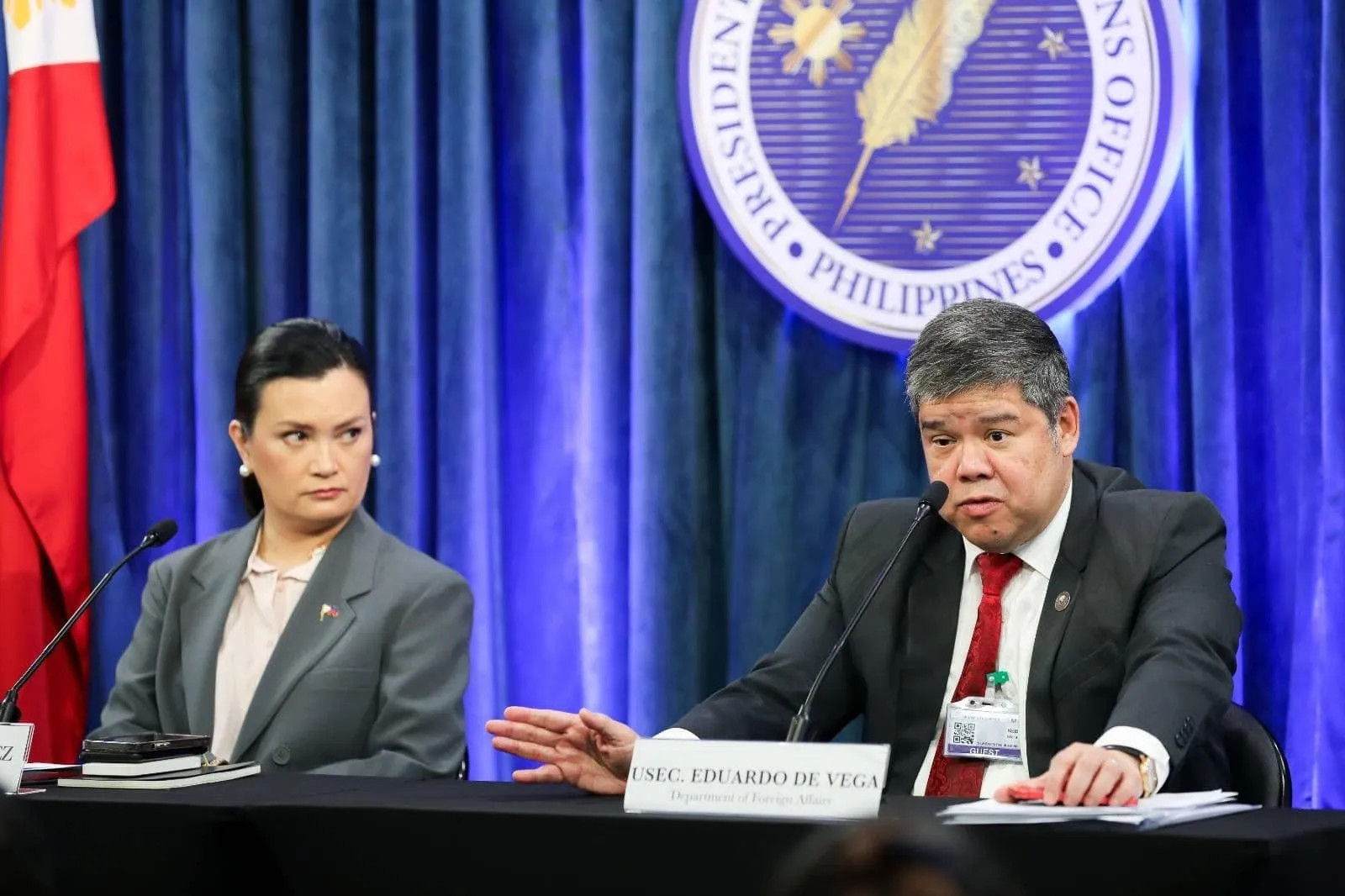
About 150 Filipino seafarers were on 15 ships that were attacked in the Strait of Hormuz. Most of them are safe. Between 60 and 70 percent of them have already gone home. The Philippines Department of Migrant Workers (DMW) gave these numbers.
DMW Secretary Hans Leo Cacdac spoke about the attacks. The Philippine newspaper Daily Tribune and The Global Filipino Magazine reported his words on 18 November 2026. The DMW did not name the 15 ships.
What the DMW tells shipowners and manning agencies
The DMW's first wish is to keep Filipino crews away from danger. Its Advisory No. 62 of 2026 tells shipowners and licensed manning agencies not to send Filipino seafarers to high-risk areas. This is most important where their lives could be in danger. Advisory No. 62 also contains the amended list of war-like and high-risk areas of the IBF (International Bargaining Forum). You can find it on the DMW advisories page.
"Our clear directive to shipowners and manning agencies is not to put our fellow citizens in harm's way," Cacdac said, according to the Daily Tribune.
The DMW accepts that some ships cannot avoid these waters. This can happen for operational or navigation reasons. Shipping in the area has not fully stopped. Some ships still go in and out.
For these ships, the DMW wants stricter safety measures:
The shipowner must check the security situation before each voyage.
The ship must have clear safety rules for an attack.
The ship must have marked safe areas on board. Crew can take shelter there during an attack.
The crew must know which parts of the ship are most likely to be hit.
Every crew member must know where to go if the ship is attacked.
The bigger picture
The DMW and its partners are following the crews closely. These partners are shipowners, manning agencies, Migrant Workers Offices, and Philippine embassies and consulates. They help bring home the seafarers who need to return.
On 11 November, Cacdac gave wider numbers. Since the start of 2026, 1,189 Filipino seafarers were affected by security incidents in the Strait of Hormuz and the northern Black Sea. 837 of them had returned to the Philippines, The Philippine Star reported. He also said a Filipino seafarer was killed in the attack on the tanker Velos Sapphire on 5 November.
The International Maritime Organization (IMO) says 25 seafarers have been killed since the Middle East conflict began. Read our report on what the IMO Council said about attacks on ships.
What it means for crews
If your ship is going to the Gulf or the Strait of Hormuz, these steps can help you:
Ask your manning agency and the master before you sign or before the ship sails. Ask if the ship will enter the Gulf or the Strait of Hormuz.
Check your contract. On ships with an IBF agreement, the Persian Gulf, the Strait of Hormuz and the Gulf of Oman are a war-like area. There you get a bonus and the right to refuse to sail. Read our report on the IBF war-like area and your rights.
The current IBF list for this area runs until 19 November 2026. Ask your union or agency if it was extended.
On board, ask the master where the safe area is. Ask what the alarm for an attack sounds like.
Take part in every security drill. Learn the fastest way from your cabin and your work place to the safe area.
Keep your passport, seaman's book and a charged phone in one bag that you can grab fast.
Give your family the name of your ship and your agency's phone number.
If you need help, call the DMW hotline 8722-1144. You can also contact your union or the ITF.
If you plan your next contract, look at external vacancies on Crewboard and compare the trading areas.
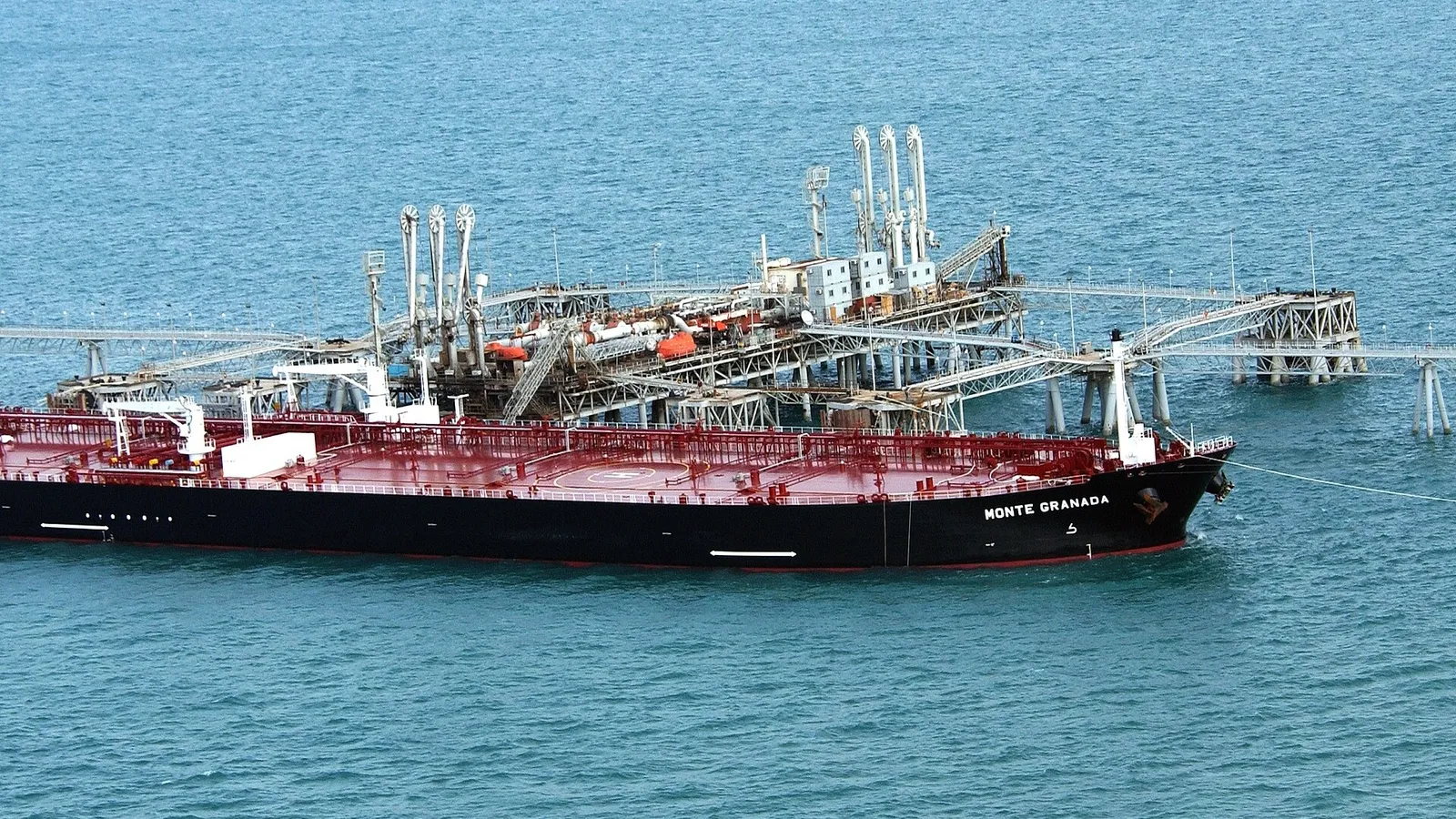
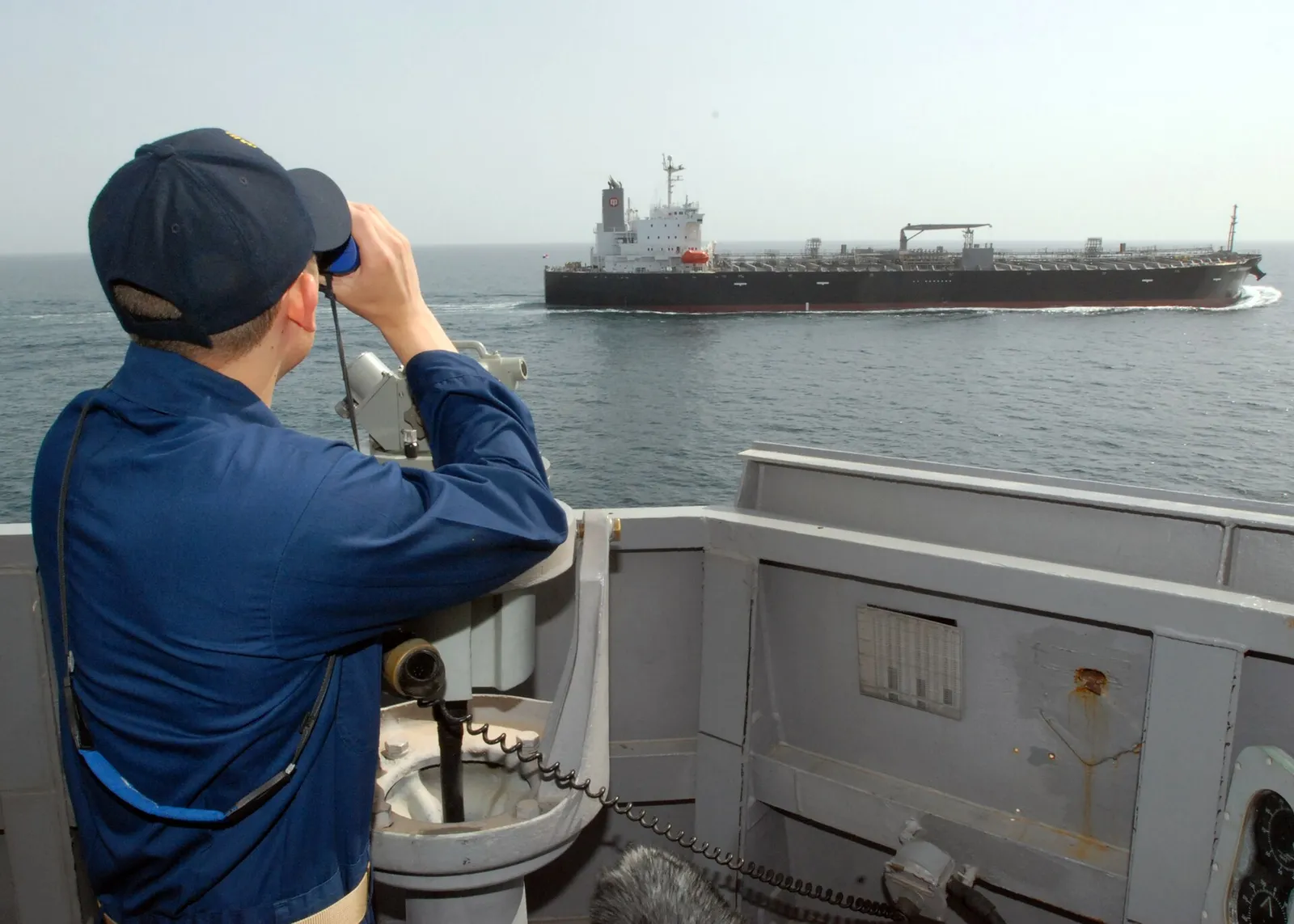
Cover photo: An oil tanker loads crude oil at Iraq's Al Basrah Oil Terminal in the northern Persian Gulf, 12 December 2004. Illustrative photo. Photo: PH1 Richard J. Brunson, U.S. Navy/Wikimedia Commons, public domain (cropped).
How we choose, write and correct our articles: editorial policy.