Eight seafarers from the Turkish cargo ship Tuğberk İmamoğlu are still missing. Their ship sank in the Sea of Marmara after a collision with the Turkish tanker Alsu on 2 September 2026. On 11 November, the families went to the Turkish parliament in Ankara. They asked the government to start the search again.
What happened
The collision happened at about 03:13 on 2 September. It was in the traffic separation scheme about 18 nautical miles south of Silivri, near Istanbul. A traffic separation scheme is a set of sea lanes for ships going in opposite directions.
Tuğberk İmamoğlu was a dry cargo ship about 90 metres long. It carried 4,199 tonnes of rolled steel from İskenderun to Karadeniz Ereğli. All 10 crew were Turkish citizens, BBC Turkish reported. Alsu was an empty oil and chemical tanker sailing from Kocaeli to Aliağa.
The cargo ship sank fast. Rescuers found its life rafts and its free-fall lifeboat floating empty. The navy found the wreck on 4 September. It lies at about 720 metres, in mud, the newspaper Cumhuriyet reported. Alsu had only light scratches.
The search for the crew
The body of the master was found on 14 September. The body of the chief officer was found on 28 October. A research ship of the Turkish state oil company TPAO found it during a deep-sea search.
That ship left the area in early November, Cumhuriyet reported. The families were told on 5 November. The crisis desk for families in Silivri closed on 6 November. As of 13 November, no search work is going on at sea, the families say.
At a press meeting in parliament on 11 November, families said: "Our 8 dead are lying on the sea bed" (our translation). They asked for a grave for each seafarer. Later they met a deputy transport minister, a relative told Cumhuriyet. The minister made no promise to bring up the bodies. But he also did not say that the search was over.
What the first expert report found
Prosecutors asked a group of experts to look at the collision. The state news agency Anadolu reported their first findings on 3 September. The report is a first step for the court case. It is not a final investigation report.
The experts found failures on both ships. On Alsu, only one officer was on the bridge. He had joined the ship on 31 August. The 00:00–04:00 watch was his first sea watch on that ship. There was no lookout and no helmsman with him.
The master of Alsu was asleep in his cabin, the report says. He reached the bridge only 7 to 10 minutes after the collision. The company's own bridge manual asked for a higher watch level, called Watch Condition B, on this passage. The experts said this meant the master and a lookout should have been on the bridge.
On Tuğberk İmamoğlu, the AIS was off, broken or not working properly. AIS, the Automatic Identification System, sends a ship's name, position and course to other ships. Because of this, Alsu saw the ship only as a radar echo at 1.8 nautical miles.
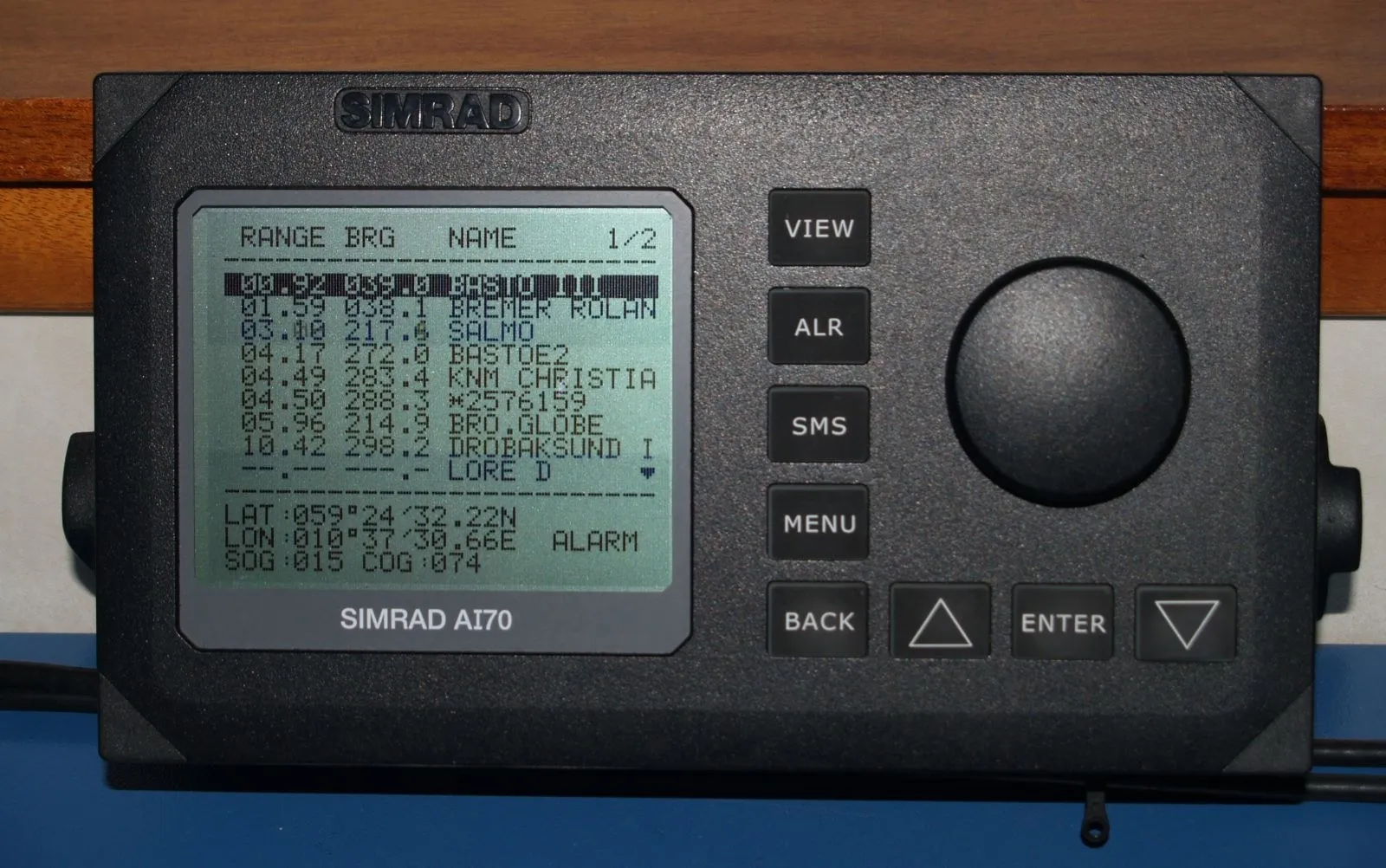
The two ships talked on VHF radio channel 16. They agreed that Alsu would turn to port, to the left. Alsu started to turn. But at about 0.5 nautical miles, Tuğberk İmamoğlu turned to starboard, to the right, against the agreement.
The officer on Alsu kept turning to port. He did not stop the engine or go full astern, the report says. The experts said that this may have made the impact harder.
The weather was not a cause. Visibility was about 6 nautical miles and the wind was force 4. The experts also looked at what could have changed the result. With the master and a lookout on the bridge, the dangerous turn could have been seen earlier. That would have been at 1.5 to 1.8 miles. The collision could then have been avoided.
The experts could not yet say why Tuğberk İmamoğlu sank so fast. They asked to check if the steel cargo moved, and how it was lashed. In September, two officers of Alsu were arrested, BBC Turkish reported. The court case continues.
What it means for crews
Masters: do not leave a new officer alone on the bridge in heavy traffic, at night, on a first watch. Stay on the bridge or give clear night orders on when to call you.
Officers of the watch: call the master early. If you are new to the ship and the traffic is heavy, say so. Asking for help is part of a safe watch.
Keep a proper lookout at night. A second person on the bridge sees what the radar and screens miss.
Keep your AIS on and check that it works. Other ships and traffic centres need to see you. A ship without AIS is easy to miss.
A VHF agreement is not a guarantee. You may be talking to the wrong ship, or the other ship may still turn the wrong way. Watch the other ship all the time.
If a close-quarters situation develops, slow down, stop or go astern early. The collision rules ask for action in good time.
Know your abandon-ship plan. A ship can sink in minutes. Know where your lifejacket and immersion suit are, and how to reach the lifeboat or life raft from your cabin. See our post on checking free-fall lifeboats.
Families of missing seafarers can ask the flag state and the seafarers' union for help. Official contacts are on our useful links page.
Read also: lessons from the Argos Georgia sinking, where a fishing vessel sank fast and help was called late.
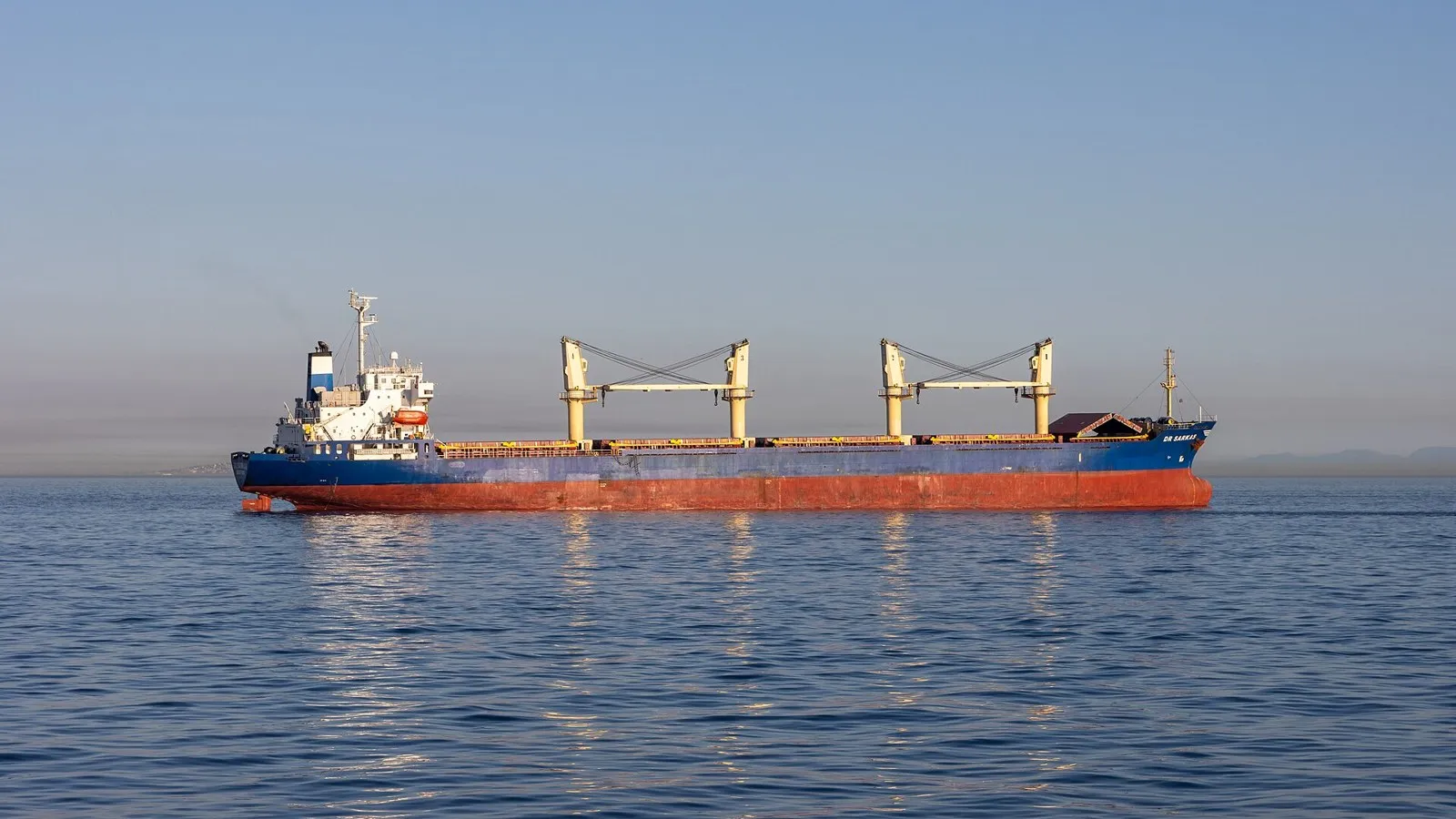
Cover photo: The bulk carrier Dr Sarkas on the Sea of Marmara off Istanbul, May 2025. Illustrative photo, not a ship in this story. Photo: Mike Peel/Wikimedia Commons, CC BY-SA 4.0 (cropped).
Sources: Anadolu Agency: First expert report on the collision of two ships off Silivri (3 Sep 2026, Turkish), BBC News Türkçe: Tuğberk İmamoğlu – wreck found, findings of the first expert report (Sep 2026, Turkish), NTV: Search for nine missing crew of the ship sunk off Silivri continues on day 16 (Sep 2026, Turkish), Cumhuriyet: Search at the Tuğberk İmamoğlu wreck stopped, families react (Nov 2026, Turkish), ANKA via Haberler.com: Families of Tuğberk İmamoğlu crew at parliament (11 Nov 2026, Turkish), Cumhuriyet: Nine bodies from the Filo Jet and Tuğberk İmamoğlu accidents still not recovered (13 Nov 2026, Turkish).
How we choose, write and correct our articles: editorial policy.