Two new passenger ferries in Australia had steering problems near Geelong, Victoria, within two weeks. Both problems came when the crew used the autopilot or tried to switch from it to hand steering.
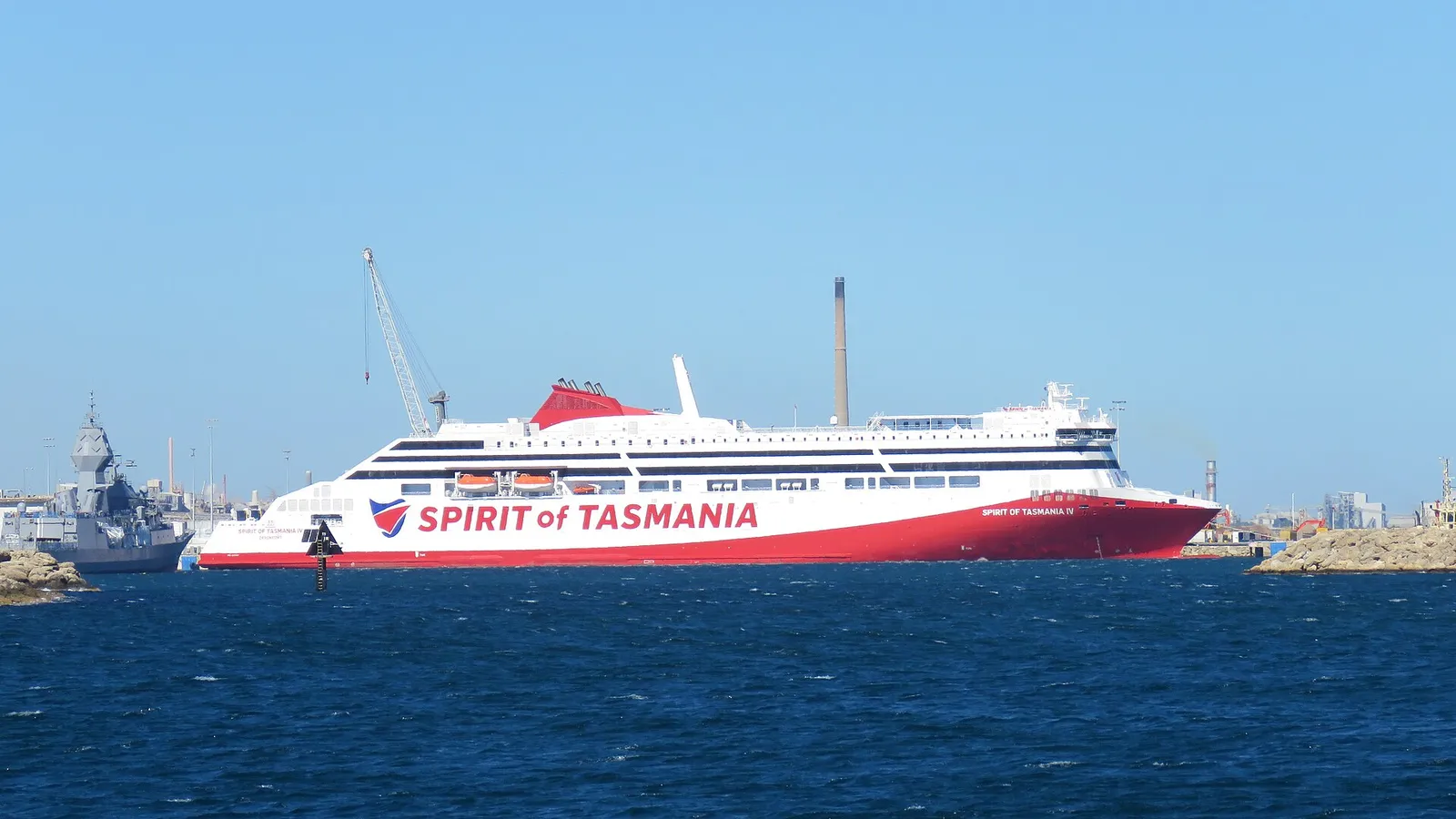
The Australian Transport Safety Bureau (ATSB) is investigating both incidents. The ships are the sister ferries Spirit of Tasmania IV and Spirit of Tasmania V. Nobody was hurt and the ships were not damaged, the ATSB says.
Spirit of Tasmania V: a turn the autopilot could not stop
On 24 October 2026, Spirit of Tasmania V left Geelong at 19:56 with a harbour pilot on board. It had 94 crew and 20 passengers, but no paying passengers. The trip was part of the ship's tests before it started full service.
At about 20:30, the ship was steering on autopilot. The autopilot keeps a set course by itself. At a junction of two channels, the ship had to turn to starboard. The autopilot reacted slowly, so the turn was wider than planned.
The crew changed the autopilot settings. The ship then turned faster, and the autopilot could not stop the turn. The crew switched to hand steering and used port rudder.
After that, the ship's heading swung from side to side, more and more. It went briefly outside the marked channel, on both sides. The crew stopped the ship in a side channel to get control back. Then it continued its trip.
Spirit of Tasmania IV: the wheel did not answer
In the early hours of 5 November 2026, Spirit of Tasmania IV was coming from Devonport with passengers and vehicles. It was near the place where the pilot boards, outside Port Phillip Bay.
The crew switched from autopilot to hand steering with the wheel. This mode is called follow-up: the rudder goes to the angle the wheel sets. But the steering wheel did not respond.
The crew changed to the emergency non-follow-up mode to take the pilot on board. In this mode, the rudder moves only while the lever is held. The ship then did not enter the bay, so the problem could be checked. More tries to use hand steering did not work.
In the end, the crew steered the ship from the steering levers on the bridge wing and in the centre of the bridge. The ship sailed to Geelong with a tug next to it all the way, as a precaution.
What the operator says
The arrival in Geelong was about four hours late, ABC News reports. On 9 November, the chairman of the operator TT-Line, Ken Kanofski, spoke to ABC Hobart radio. He said an inspection in Geelong found a "frustratingly minor issue" in the steering console. It was fixed, and the ship sailed again that evening.
TT-Line says the two ferries no longer use the autopilot in Port Phillip Bay. They still use it in the open sea of Bass Strait. A company spokesperson said there are no plans to use the autopilot again for channels and close-quarters navigation. The company will review this after the ATSB report.
The ATSB will look at data from both ships, equipment checks and records. It will also interview the people involved. It expects to publish its final report in the second quarter of 2027. The cause is not known yet.
What it means for crews
The investigation is not finished. But both cases show the same weak point: the moment of changing between autopilot and hand steering, in narrow water. The international safety rules for ships (SOLAS) already say what to do.
Test hand steering before you enter a channel, a port approach or a busy area. SOLAS regulation V/24 also asks for this after a long time on autopilot.
In narrow or busy water, a helmsman must be ready to take the wheel at once. An officer must make or watch every change between autopilot and hand steering.
Know every steering mode on your bridge: autopilot, follow-up, non-follow-up and any override lever. Know where each control is and how to switch between them.
If the rudder does not follow the wheel, tell the Master and the pilot at once. Move to the next steering mode or position in your ship's steering failure procedure.
Watch the rudder angle indicator and the rate of turn, not only the heading. A slow or wrong reaction is an early warning.
SOLAS regulation V/26 asks for a steering gear test within 12 hours before departure. It also asks for an emergency steering drill at least every three months. Take these drills seriously.
Keep the change-over instructions posted on the bridge and in the steering gear room. Report any steering fault, even a small one, and write it in the log.
Safe pilotage in narrow channels is also about squat and interaction. Read our post on the UK's updated guidance on ship interaction and squat. Deck officers can compare 2nd Officer salaries or look at open jobs for Masters on Crewboard.
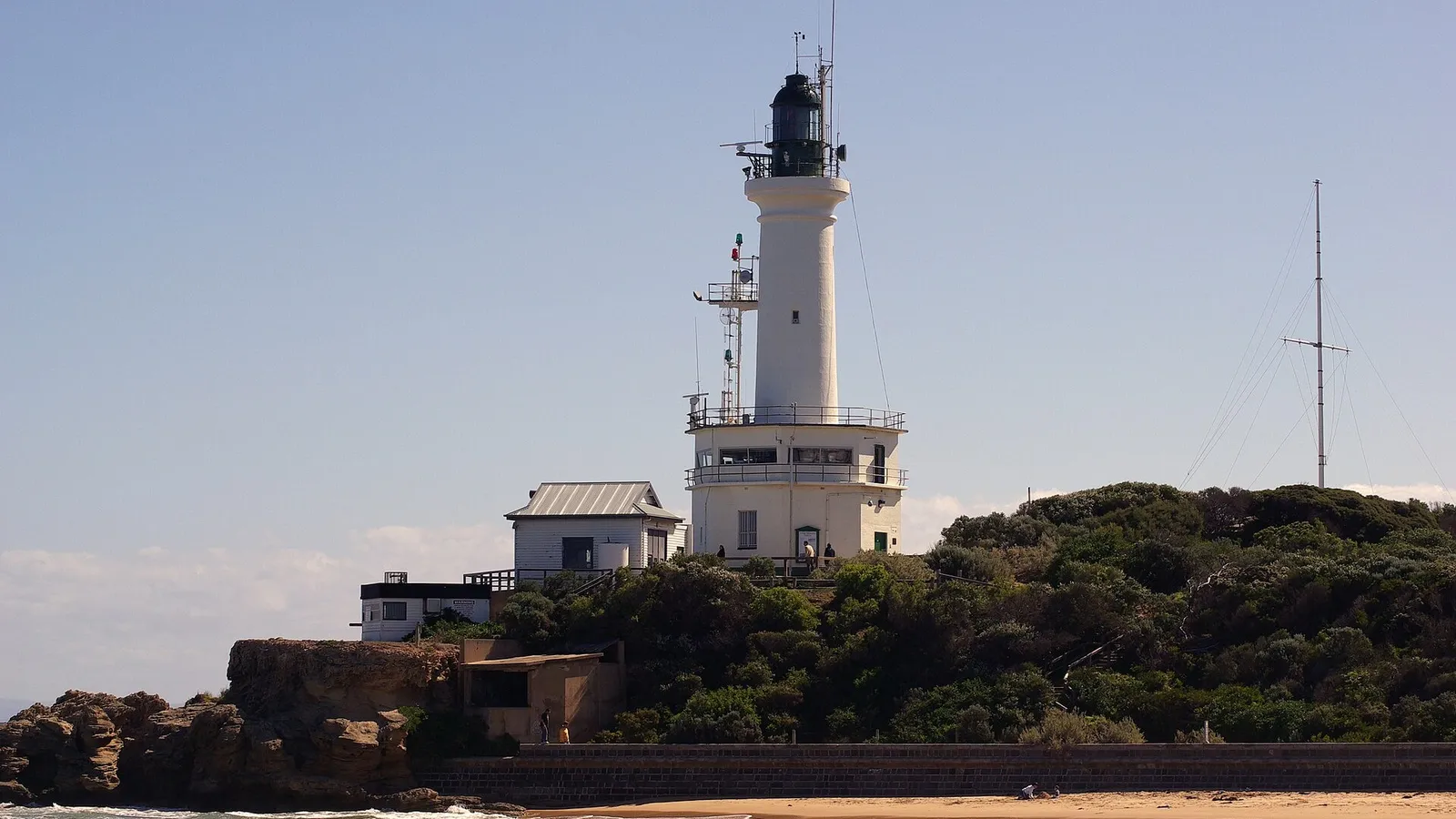
Cover photo: Point Lonsdale Lighthouse at the entrance to Port Phillip Bay, Victoria, near where the Spirit of Tasmania IV fault happened. Illustrative photo. Photo: Stephen Bain/Wikimedia Commons, CC BY-SA 3.0 (cropped).
Sources: ATSB: Steering issues involving Spirit of Tasmania V (24 October 2026) and Spirit of Tasmania IV (5 November 2026), investigation MO-2026-003, ABC News: Spirit of Tasmania ferries no longer using autopilot near Geelong after steering faults (9 Nov 2026), SOLAS Chapter V, Regulation 24: Use of heading and/or track control systems, SOLAS Chapter V (including Regulation 26: Steering gear testing and drills).
How we choose, write and correct our articles: editorial policy.